
Yes, absolutely. HPL MgO Boards are highly suited for wet and high-humidity environments like residential bathrooms, commercial public restrooms, and industrial kitchens.
In fact, they are frequently specified over traditional materials like drywall, greenboard, or PVC panels in these zones because they solve two problems simultaneously: they provide a 100% waterproof, chemical-resistant decorative surface while maintaining an inorganic, mold-proof structural core.
However, using them successfully in wet areas depends entirely on specifying the correct core formulation and executing proper edge-sealing installation.
Why HPL MgO Boards Excel in Wet Areas
The hybrid structure of the panel gives it unique advantages under wet conditions:
- Zero Mold or Bacterial Growth: Mold requires organic material (like the paper facing on drywall or wood components) to grow. Because both HPL (melamine/phenolic resin) and MgO (magnesium minerals) are entirely inorganic, the board will not support mold, mildew, or fungus, even if water penetrates the wall cavity.
- High Impact and Scratch Resistance: Commercial kitchens and public restrooms experience heavy wear from utility carts, pots, and high human traffic. The dense HPL shell prevents gouges and dents that would otherwise create pockets where moisture and bacteria collect.
- Chemical and Steam Immunity: Commercial kitchens are subjected to high-temperature steam and harsh chemical degreasers, while bathrooms deal with constant hot water and bleach cleaners. HPL resists chemical stains and will not delaminate or soften under steam exposure.
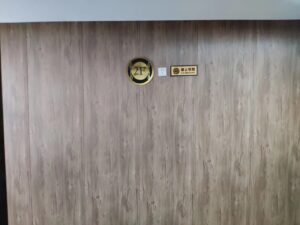
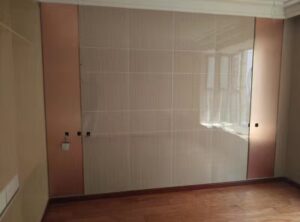
Thickness Recommendations for Wet Areas
- 4mm – 6mm: Best for direct glue-down application over existing solid backing walls (like old tiling or blockwork) in commercial kitchens, using a waterproof structural adhesive.
- 8mm – 12mm: The industry standard for full-height wall partitions or wall linings mounted to aluminum/steel studs in commercial shower facilities and public restrooms.
- 15mm – 18mm: Ideal for self-supporting toilet cubicles, urinal screens, and vanity countertop substrates.
MAY
2026