
you can apply tiles, wallpaper, and paint directly onto MgO sulfate boards, but because the board is mineral-based and alkaline, there are specific “best practices” you must follow to ensure the finish doesn’t peel or crack.
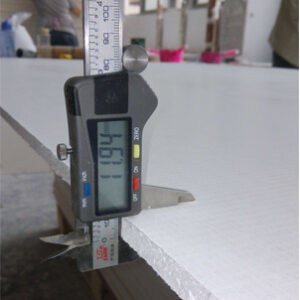
- Painting MgO Sulfate Board
Painting is the most common finish. The key is managing the board’s alkalinity and dust.
- Primer is Mandatory: You must use a high-quality, alkali-resistant primer (often labeled for concrete, masonry, or “hot” plaster). Standard drywall primer may fail because the board’s high pH can break down the paint bond.
- Surface Prep: Wipe the board with a damp cloth to remove all fine white dust. If the surface is too smooth, a light sanding with fine-grit sandpaper helps the primer “bite.”
- Paint Type: Most water-based acrylic or latex paints work perfectly once the primer is cured.
- Tiling on MgO Sulfate Board
MgO sulfate board is an excellent tile backer because it doesn’t swell or rot.
- Side Selection: Many MgO boards have a smooth side and a textured/rough side. For tiling, install the board with the rough side facing out to provide a better mechanical bond for the adhesive.
- Adhesive: Use a polymer-modified thin-set mortar. Do not use organic mastics in wet areas (like showers).
- Waterproofing: In “wet zones” (shower walls), you should still apply a liquid waterproofing membrane (like RedGard) over the MgO board before tiling, just as you would with cement board.
- Applying Wallpaper
Wallpaper works well, but requires a “sealed” surface to allow for future removal.
- Sealing: You must seal the board with an acrylic-based wallcovering primer/sealer first. Without this, the alkaline nature of the board can dry out the wallpaper paste too quickly or cause it to lose its stickiness.
- Paste: Use a standard heavy-duty clear wallpaper adhesive.
Summary Checklist for Finishing
Important Note on Joints: Unlike drywall, MgO boards expand and contract slightly with temperature. Always leave a small 1/8″ (3mm) gap between boards and fill it with a flexible filler or reinforced joint compound to prevent the paint or wallpaper from cracking at the seams.
DEC
2025