
Fiber cement grooved weatherboards are a versatile cladding solution, designed to mimic the aesthetic of traditional timber tongue-and-groove planks while providing the durability of masonry. Because they are composed of pressurized sand, cement, and cellulose fibers, they offer significant performance advantages in both internal and external environments.
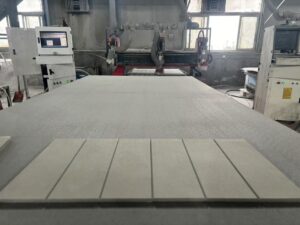
Technical Performance
- Fire Resistance: Typically classified as non-combustible (often reaching A1 or Group 1 ratings), making them ideal for high-risk bushfire zones or commercial interiors requiring strict fire compliance.
- Moisture Stability: Unlike wood, fiber cement does not swell, rot, or warp when exposed to moisture. In exterior applications, this prevents paint from peeling prematurely; in interiors, it handles high-humidity areas like laundries or mudrooms effectively.
- Thermal & Acoustic Mass: The density of the sheeting provides better sound insulation and thermal inertia compared to thin PVC or metal siding.
Application Versatility
| Application | Usage Benefits |
| Exterior Facades | Used for full wraps or accent walls. The deep grooves create strong shadow lines that define the architectural profile of a building. |
| Interior Walls | Often used for “shiplap” styles or wainscoting. It is much more impact-resistant than standard gypsum drywall, making it suitable for high-traffic hallways. |
| Soffits & Ceilings | Provides a clean, linear look for porch ceilings or undercover outdoor areas where durability against wind-driven rain is required. |
29
APR
2026
APR
2026
0